
If you’re considering new doors for your London home, you’ve probably noticed something: steel doors are everywhere. From Chelsea townhouses to Shoreditch lofts, sleek black steel frames are replacing traditional timber at a remarkable rate. But is this just a trend, or is there something more substantial driving this shift?As steel door specialists working across London for years, we’ve had hundreds of conversations with homeowners making this exact decision.
Here’s what we’ve learned — and why so many are choosing steel over wood.

The Question Everyone Asks:
"Should I Choose Steel or Wood?"
It’s a fair question. Wood doors have been the default choice in British homes for centuries. They’re familiar. They’re traditional. And there’s undeniable beauty in a well-crafted timber door.
But here’s the truth: the comparison isn’t really about aesthetics anymore. It’s about how you want to live in your home for the next 20 years. Let me explain.
What Steel Doors Actually Deliver (That Wood Cannot)
Light. Glorious, Unobstructed Light.
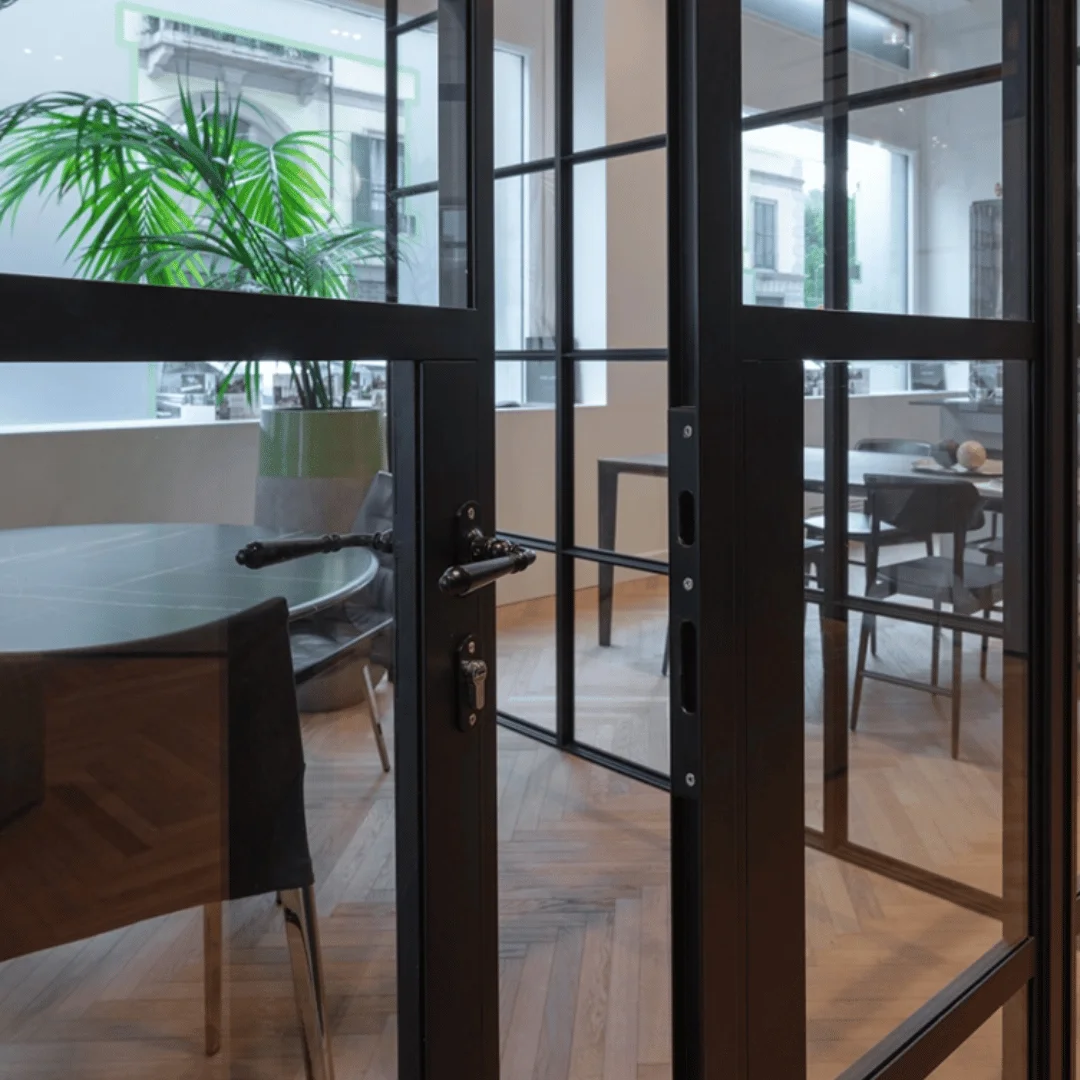
London properties are often tight on space and natural light. Steel doors solve this with ultra-slim frames — as thin as 20mm — while maintaining exceptional strength.
The result? Floor-to-ceiling glass panels that flood your home with daylight, without the chunky frames that timber requires for structural integrity.
We’ve transformed countless dark Victorian kitchens and gloomy ground-floor extensions simply by replacing bulky woo


Zero Maintenance (And We Mean Zero)
Here’s what maintaining wood doors actually looks like:
- Annual re-staining or repainting (£200-400 if you hire someone)
- Regular checks for rot, especially around the base
- Treating swelling when doors stick in humid weather
- Resealing to prevent water damage
- Eventually, full replacement when degradation accelerates
Steel doors? Wash them with soapy water twice a year. That’s it. No annual treatments. No panic about missed maintenance. No gradual deterioration. For busy Londoners, this isn’t a minor benefit — it’s life-changing.
Performance That Doesn't Degrade
Wood is organic. It breathes, swells, contracts, and ages. Sometimes beautifully, often problematically.
In London’s damp, variable climate, timber doors are fighting a losing battle against the elements:
- They warp in humidity
- They stick in summer when wood expands
- They let in draughts in winter when wood contracts
- They develop gaps in their seals
- Weather exposure gradually breaks down finishes
Steel doors maintain their shape, seal, and performance indefinitely. The door we install today operates exactly the same way in 20 years.


Security You Can Actually Trust
This matters more than most people realise. Traditional wood doors — even solid hardwood — can be compromised with the right tools and enough time.
Steel doors are engineered differently:
- Multi-point locking systems as standard
- Reinforced frames that resist forced entry
- Toughened safety glass that won’t shatter easily
- No weak points where hinges attach
Insurance companies understand this. Many offer lower premiums for properties with steel doors because they’re genuinely harder to breach.
Energy Efficiency That Actually Works
Modern steel doors feature polyurethane foam cores that deliver exceptional insulation — often achieving U-values better than the best timber alternatives.
But here’s the critical difference: steel doors maintain that performance. Wood’s insulating properties degrade as seals fail, gaps develop, and the material ages.
With London’s energy costs and increasingly stringent Building Regulations, this isn’t academic — it directly impacts your heating bills and comfort.
The Honest Truth About Wood Doors
We don’t sell wood doors, but we’re not going to pretend they don’t have appeal.
Let’s be honest about their advantages:
Authentic period character
In certain conservation areas or listed buildings, timber might be required or simply more appropriate aesthetically.
Traditional
warmth
There’s something organic and inviting about natural wood grain that steel cannot replicate.
Refinishing
options
Wood can be sanded, restrained, and completely transformed if you tire of the finish.
Artisan craftsmanship
Intricate carvings and traditional joinery techniques work beautifully in timber.
But here’s the key question: do these benefits outweigh the maintenance burden, performance limitations, and durability concerns? For the vast majority of London homeowners we work with, the answer is no.
Why The Shift Is Happening Now?
Ten years ago, steel doors were primarily commercial or industrial. They were functional, not beautiful.
That’s changed completely. Modern steel door design has evolved to deliver both performance and aesthetics:
- Powder-coated finishes in dozens of colours (including finishes that mimic aged bronze or brass)
- Ultra-slim profiles that feel contemporary and luxurious
- Bespoke sizing that fits any opening perfectly
- Integration with smart locks and home automation
The result is doors that perform like commercial-grade products but look entirely residential — and increasingly, aspirational

What Our Clients Tell Us After Making The Switch
Here are the most common things we hear from homeowners who’ve replaced wood with steel:
“I can’t believe how much lighter the room feels.”
Slim steel frames with maximum glass transform spaces.
“I haven’t thought about my doors once in two years.”
That’s exactly the point. They just work.
“The house feels more secure.”
Psychological, perhaps, but also objectively true.
“I’m annoyed we didn’t do this sooner.”
The maintenance relief is often more valuable than expected.
“Everyone asks where we got them.”
Good design gets noticed.
Understanding The Investment
Let’s address cost directly, because it matters.
Quality steel doors cost more upfront than basic wood alternatives. But this comparison is misleading because:
- High-end hardwood doors (the kind you’d actually want long-term) cost similar amounts to steel
- Maintenance costs accumulate significantly over a timber door’s lifetime
- Replacement frequency means wood doors may need replacing multiple times over the lifespan of steel
- Property value impact is substantial — steel doors add genuine market appeal in London
When you factor in 20-year total cost of ownership, steel often emerges as the more economical choice — while delivering superior performance throughout.

Common Concerns (And The Reality)
“Won’t steel doors look too industrial?”
Modern residential steel doors are designed specifically for homes. Slim profiles, careful proportioning, and quality finishes make them elegant, not industrial.
“What about rust?”
Quality steel doors use galvanised steel with powder-coated finishes. Rust simply isn’t an issue with proper specification.
“Can I get custom sizes?”
Absolutely. Bespoke sizing is standard — essential in London’s older properties where nothing is truly standard.
“What about planning permission?”
Most steel door installations don’t require planning permission, though conservation areas and listed buildings have specific requirements we can guide you through.
Making The Decision For Your Property
Here’s how to think about whether steel doors are right for your home.
Steel doors make perfect sense if:
- You value your time and don’t want ongoing maintenance
- Natural light is a priority
- You’re creating a contemporary or industrial aesthetic
- Security matters to you
- You want doors that maintain performance indefinitely
- You’re tired of wooden doors that stick, warp, or need constant attention
You might prefer timber if:
- You’re in a conservation area with specific requirements
- Your property is period and traditional character is paramount
- You genuinely enjoy hands-on home maintenance
- You’re legally restricted from using alternative materials
For most London homeowners, especially those with modern or renovated properties, steel delivers better value, performance, and long-term satisfaction.

What Happens Next
If you’re considering steel doors for your London property, here’s the typical journey:
Initial consultation: We discuss your project, take measurements, and understand your design vision.
Design development: We create detailed specifications showing exactly what your doors will look like in your space.
Manufacturing: Your doors are fabricated to precise specifications in our workshop.
Professional installation: Expert fitting ensures perfect operation and weather-sealing.
Long-term performance: Your doors simply work, year after year, with minimal intervention.
The entire process typically takes 8-12 weeks from first conversation to installation.

Steel doors aren’t a commodity purchase. The difference between a mediocre installation and an excellent one is enormous — affecting everything from thermal performance to how smoothly your doors operate decades from now.
Working with specialists who focus exclusively on steel and glass doors means:
- Deep material expertise and understanding of how steel performs
- Experience with London properties and their specific challenges
- Precise manufacturing and installation that ensures long-term performance
- After-sales support when you need adjustments or advice
You’re not just buying doors. You’re buying decades of reliable performance.
Why Work With Specialists

Ready To Transform Your Space?
If you’re tired of maintaining wood doors, frustrated with poor performance, or simply want to flood your home with natural light, let’s talk. We’ll visit your property, understand your specific requirements, and show you exactly what’s possible. No pressure, no hard sell — just honest expertise and beautiful solutions.
Because the best door isn’t about trends or fashion. It’s about finding the solution that makes your life better for the next twenty years.
About Totally Steel Doors
We design and install bespoke steel and glass doors for homes across London. From ultra-slim sliding doors to contemporary entrances, we combine British craftsmanship with modern engineering to deliver doors that genuinely improve how you live. Based in London, serving London homeowners who demand both performance and beauty.
Fast. Simple. Accurate
Transform Your Home With Our New Online Configurator
Want to make sure you’re getting the best possible price for your project?
Check it instantly with our online configurator — just click below!


